

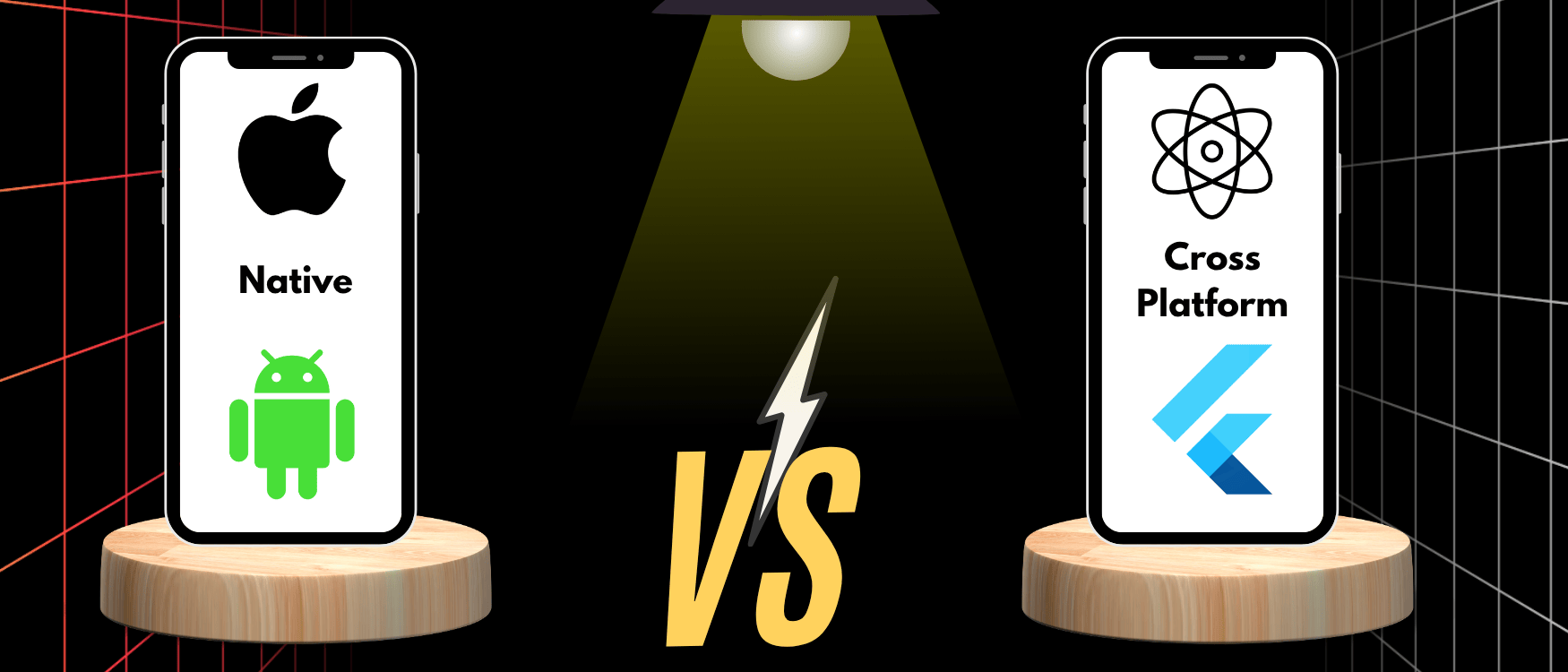
Native versus a shared Android and iOS codebase is not a taste debate. It is a tradeoff between device control, team speed, budget, and how the product needs to evolve over time.
Both approaches can succeed. The right answer depends on the kind of experience you are building and the pressure on your roadmap.
Before You Choose
- Native is strongest for apps that need deep device access, high performance, or platform specific experiences.
- A shared Android and iOS codebase can reduce initial delivery time when the product flow is similar across both platforms.
- Your team's maintenance model matters just as much as launch cost.
- The best choice comes from product requirements, not developer preference alone.
Where Native Development Wins
Native development is usually the better fit when you need deep device access, interaction patterns unique to each platform, high animation performance, or the best possible control over system behavior.
It also helps when Android and iOS experiences need to diverge in meaningful ways over time.
- Camera intensive, media rich, or live experiences
- Advanced offline behavior or complex hardware integrations
- Products where platform differences affect the customer experience
Where a Shared App Approach Makes Sense
A shared Android and iOS approach works well when the business wants one product flow, a faster first release, and a more consolidated engineering path.
It is often a smart fit for business apps, dashboards, account management, service ordering, and other flows where consistency matters more than device differences.
The cost advantage of a shared Android and iOS codebase is real only when the product requirements stay aligned across both platforms. If the two apps drift apart, the savings can disappear.
Use Product Reality to Decide
Look at user behavior, feature roadmap, performance demands, and team capability. That gives a clearer answer than comparing frameworks in the abstract.
The wrong stack is the one that makes future releases slower, riskier, or harder to test when the app grows.
- Will Android and iOS share the same core workflow for at least a year?
- Do you need features unique to each platform early?
- How important is store release speed versus flexibility over time?
Questions Teams Usually Ask
Is a shared app approach always cheaper than native?
Not always. It can reduce initial delivery effort, but the savings depend on how similar the platform experiences remain and how complex the app becomes.
When should businesses choose native from the start?
Choose native when the product relies heavily on device capabilities, high performance, or platform specific experience patterns that are central to the value of the app.
Can ScriptEvolve recommend the right app stack before development begins?
Yes. We can evaluate the roadmap, device requirements, release goals, and maintenance model to recommend a practical architecture path.
Closing Advice
Native and a shared app approach can both work well. The real question is which one supports your product roadmap with fewer compromises.
Make the decision based on customer experience, device needs, and maintenance reality rather than trends alone.
If you want help turning this into delivery work, explore App Development Services for a project discussion with ScriptEvolve.